



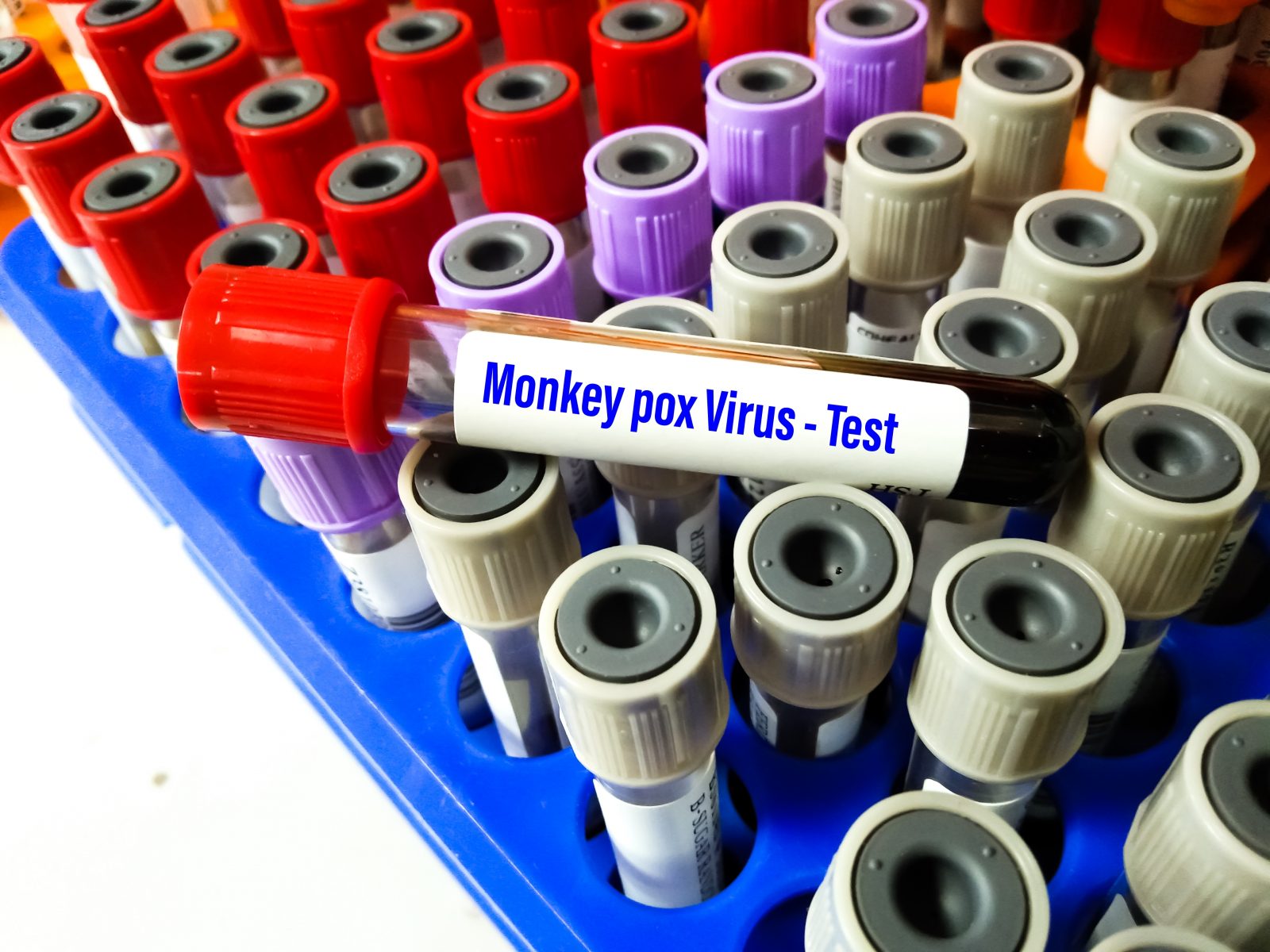
Two foreign researchers who had been working at the National Institutes of Health (NIH) have been accused of attempting to smuggle vials containing Monkeypox into the United States on a commercial passenger flight that arrived at Detroit Metro Airport.
Although the incident in January, details are only now coming to light after the two researchers were charged with attempting to smuggle the deadly pathogen into the country – a charge that, if found guilty, could result in a maximum sentence of up to five years in prison.
According to the U.S. Attorney’s Office for the Eastern District of Michigan, Vincent Munster, 53, from the Netherlands, and 38-year-old Claude Kwe from Cameroon have been charged with making false statements after allegedly lying to Customs and Border Protection (CBP) officers, and conspiracy to import merchandise contrary to law.
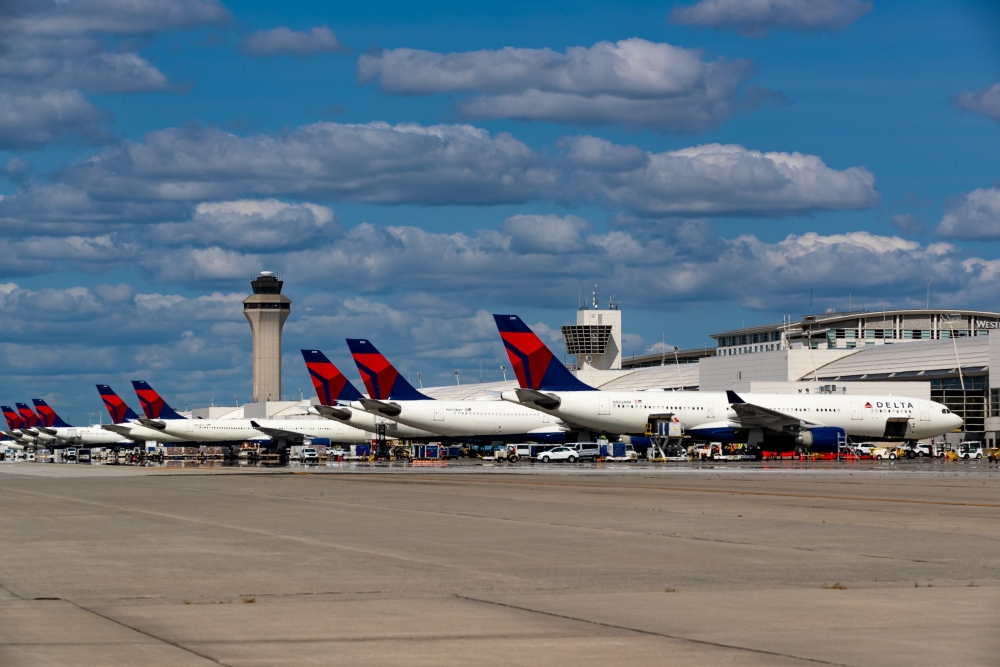
The FBI opened an investigation into Munster, and Kwe traveled to the United States from Brazzaville in the Republic of Congo via a connection in Paris, stepping off a transatlantic Delta Air Lines flight at Detroit Metro Airport on January 25, 2026.
Kwe was selected for secondary inspection by CBP and ordered to retrieve his luggage from the baggage carousel. Officers noticed Kwe pick up a large black case and place it next to Munster, who is the Chief of the Virus Ecology Section at the Laboratory of Virology within NIH.
This simple action implicated Munster, and both men were then pulled into secondary inspection.
Munster and Kwe told CBP that the case contained diagnostic equipment, but when it was opened, officers discovered more than 100 vials within the case, some of which have now been tested and proven to contain deactivated Monkeypox virus.
Specific documentation and approval are required to import these materials into the United States, which prosecutors allege Munster and Kwe never bothered attempting to gain before bringing the Monkeypox through Detroit Metro Airport.
Munster and Kwe had traveled to Congo because it was experiencing an outbreak of Monkeypox, which was considered a “moderate concern” of causing an outbreak in the United States.
The specific strain of Monkeypox causing the outbreak in Congo differed from the one that caused localized outbreaks in the United States in 2022 and warranted further investigation.
So far, the FBI has only tested 20 of the 113 vials retrieved from the case. 14 of those tested vials were found to contain Monkeypox.
“These NIH experts apparently broke our laws by smuggling viral pathogens on a packed commercial airplane from an outbreak in the Republic of Congo. Let that sink in,” United States Attorney Gorgon slammed after the men were charged.
Jennifer Runyan, Special Agent in Charge of the FBI Detroit Field Office, added: “No researcher should believe their positions, credentials, or professional status place them above the law.”
“The allegations in this case are serious. They involve the dangerous and unlawful smuggling of deactivated Mpox virus into the United States and alleged efforts to mislead our federal agents,” Runyan added.
In November 2022, the World Health Organization (WHO) officially announced that it would rename Monkeypox as Mpox, although this only refers to when someone is infected with Mpox.
The actual virus is still officially known as Monkeypox.
In Western countries, including the United States, the 2022 outbreak mainly spread amongst men who have sex with men (MSM), although Mpox is not considered a sexually transmitted infection, and anyone can be at risk.
Mpox is not easily spread, and it generally requires close, personal, and often skin-to-skin contact. The disease is generally a self-limiting illness, but it can pose a serious health threat to certain at-risk groups.
In June 2022, an entire planeload of British Airways cabin crew and pilots were forced into quarantine in Singapore after one of the flight attendants tested positive for Mpox.
The other crew members were then isolated as potential ‘close contacts’ of the sick flight attendant, causing a minor diplomatic incident as British officials worked to secure the release of the other crew.