



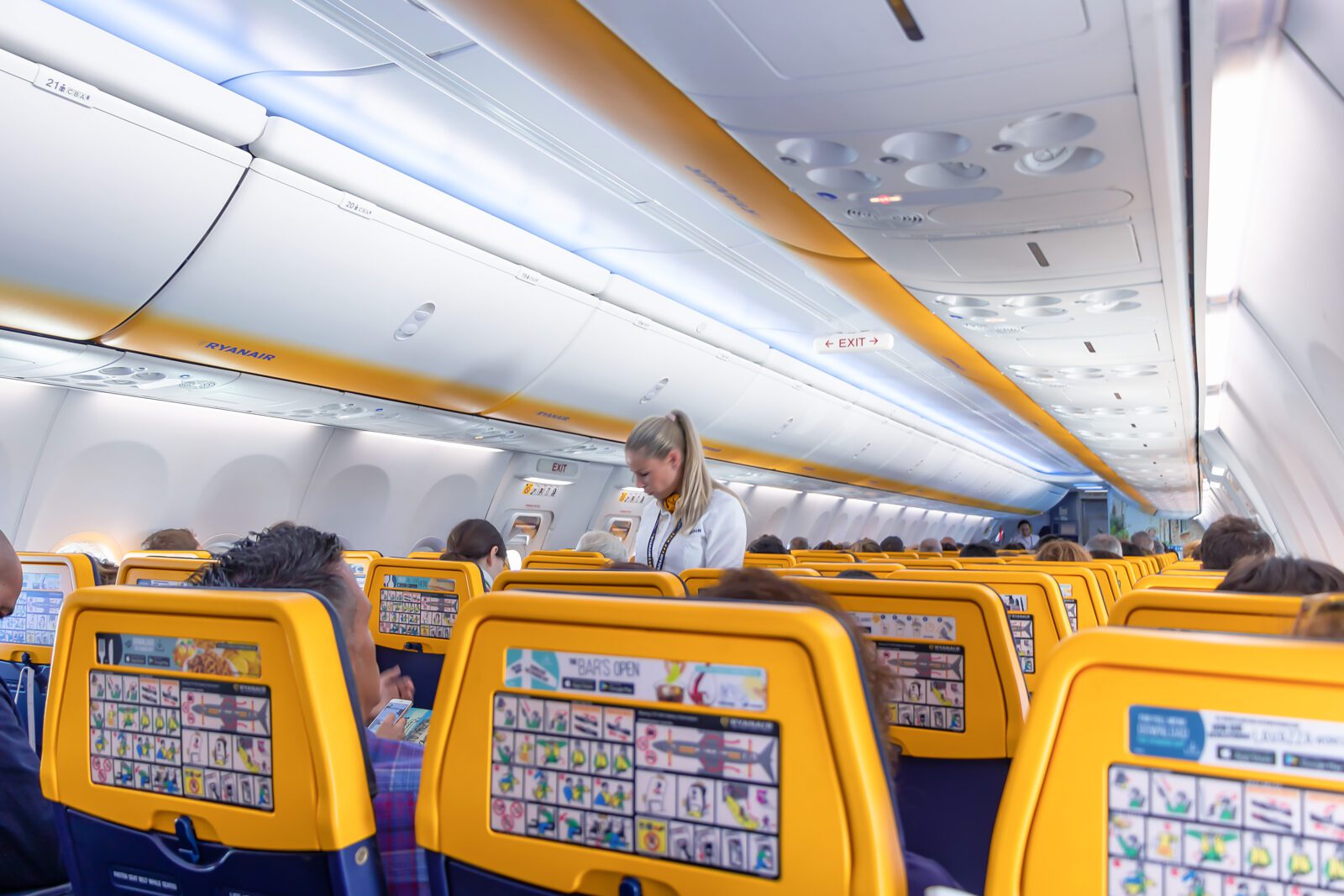
Every year, like clockwork, it arrives on cue. Across Europe, airline passengers settle into their seats, the aircraft doors close, and everything appears ready for departure. Then… nothing happens. The season of the airline slot delay has arrived.
Picture the scene: The weather looks good outside the terminal window, the plane that is destined to take you to your destination is already at the gate, and boarding starts at exactly the time that it says it should on your boarding pass.
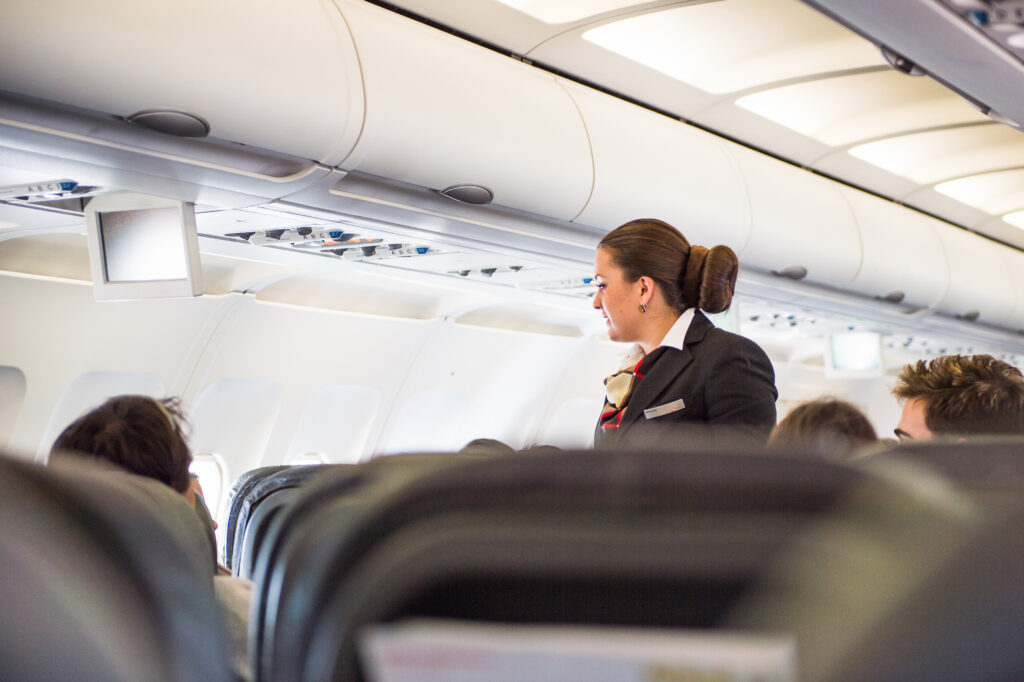
Everyone boards the plane, and the door is closed in preparation for departure. Everything is going smoothly, and then suddenly, nothing. The plane just sits at the gate, engine switched off, air conditioning failing, and the temperature starts rising.
Finally, the pilot makes an announcement over the public address system – all the luggage is loaded, the plane is good to go, and the ground staff is ready to push the aircraft back. But air traffic control has said no.
The plane has to wait at the gate because of a ‘slot’ delay. The delay could be up to an hour, maybe even longer, but everyone is hopeful that air traffic control could shorten the wait if everyone just sits tight.
This is the reality for many short-haul flights across Europe during the busy summer months when air traffic flows are tested to their limit with a huge influx of flights.
The problem isn’t necessarily at the departure airport or even at your destination, but rather what is happening across the rest of Europe, with the most minor of disruptions quickly snowballing into a major incident that can have a knock-on effect across the continent’s entire airline system.
European airspace is busy at the best of times. In order to maximize the efficiency of this congested airspace, Europe’s centralized air traffic control regulator, Eurocontrol, operates many flights on a time-based slot system.
Flights are given a specific time slot to depart, allowing air traffic control (ATC) to regulate the movement of planes across the continent. The slightest hiccup, however, can throw these well-laid plans off course.
Thunderstorms over France can quickly have a ripple effect as air traffic controllers disperse flights around the bad weather, reducing what is known as the ‘flow rate’ of planes across different countries.
Seasonal storms might be unavoidable, but what irritates the aviation industry and passengers alike are the slot delays completely within the control of various governments across Europe – the delays caused by ATC strikes and staff shortages.
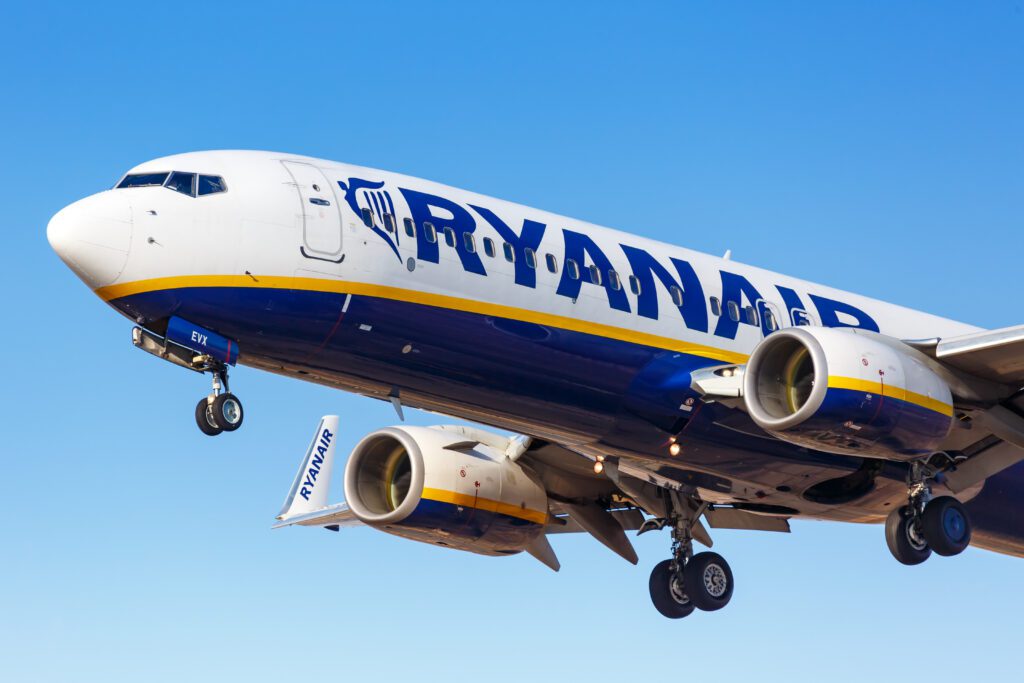
During last year’s summer season up to the end of October 2025, Ryanair said that 33 million of its passengers had been hit by air traffic control delays, with staff shortages in France making the country’s air traficc control the worst offender in Europe, resulting in more than 64,000 flight delays.
Air traffic control services in Spain, Germany, the United Kingdom, and Greece also topped Ryanair’s league table of the worst ATC services in 2025, although delays in these five countries weren’t just limited to their airspace.
When air traffic flows are restricted in France, for example, a flight from Portugal to Germany will be delayed as it waits for space in French airspace to open up.
This is by no means a new phenomenon. During the summer months, Europe is one of the most congested air space regions in the world, and to a certain extent, some delays are to be expected.
But the situation has been getting progressively worse in recent years, with airline executives increasingly frustrated that national governments aren’t investing enough to plug gaps in staff shortages.
The International Air Transport Association (IATA) has carried out research that shows that ATC delays across Europe have more than doubled over the last decade, despite the fact that overall traffic volumes only increased by around 7% in the same period.
Willie Walsh, the current director general of IATA, said there was a slight improvement in 2025, but that was only evident because of a “very bad” year for air traffic control delays in 2024, and doesn’t change the overall trend.
But with airlines being more than aware that flights will end up being delayed, why do they insist on packing passengers on planes without air conditioning at the height of the summer heat, while they wait out slot delays?
The answer is simple: Hope! The hope is that by boarding passengers and preparing the plane for departure, they can take advantage of an unexpected opening in the slot delay, departing far sooner than they initial anticipated, and hopefully getting their schedule back on track.
Passengers don’t have any say in this decision-making process. You either board at the time the airline says you should and then wait patiently on the tarmac, or you miss the flight… even if the plane remains sitting at the gate for more than an hour.
The airline is clear in who is to blame, and it’s certainly not them.