



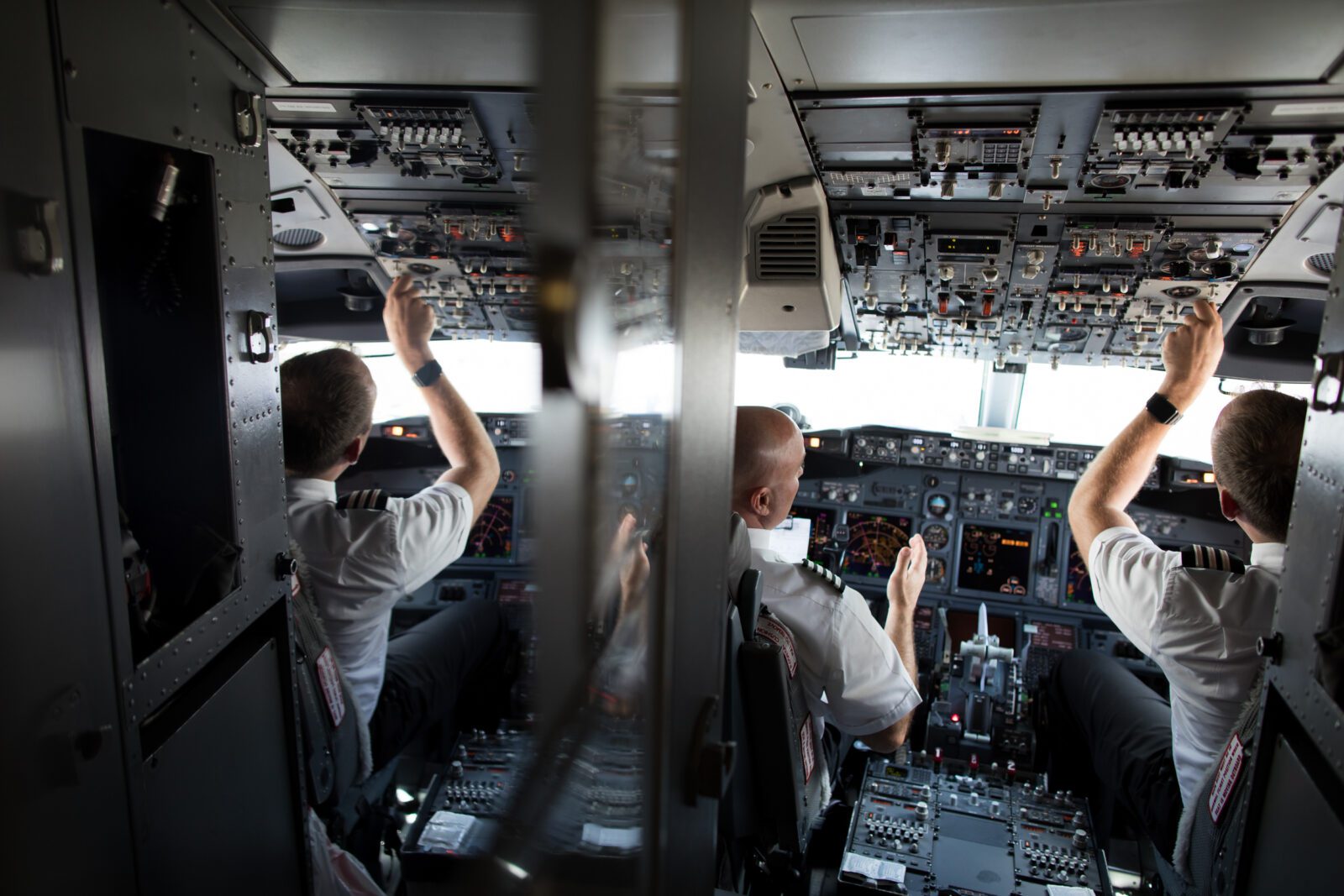
The National Transportation Safety Board (NTSB) has urged airlines to improve training for pilots who find themselves in a smoke-filled cockpit, concluding that the existing annual refresher training that flight crew are given may not adequately prepare them for the stress of something like this happening in real life.
While it may sound like the kind of incident that only ever happens very rarely, the Federal Aviation Administration (FAA) receives near-daily reports of pilots declaring an emergency because of smoke in the cockpit.
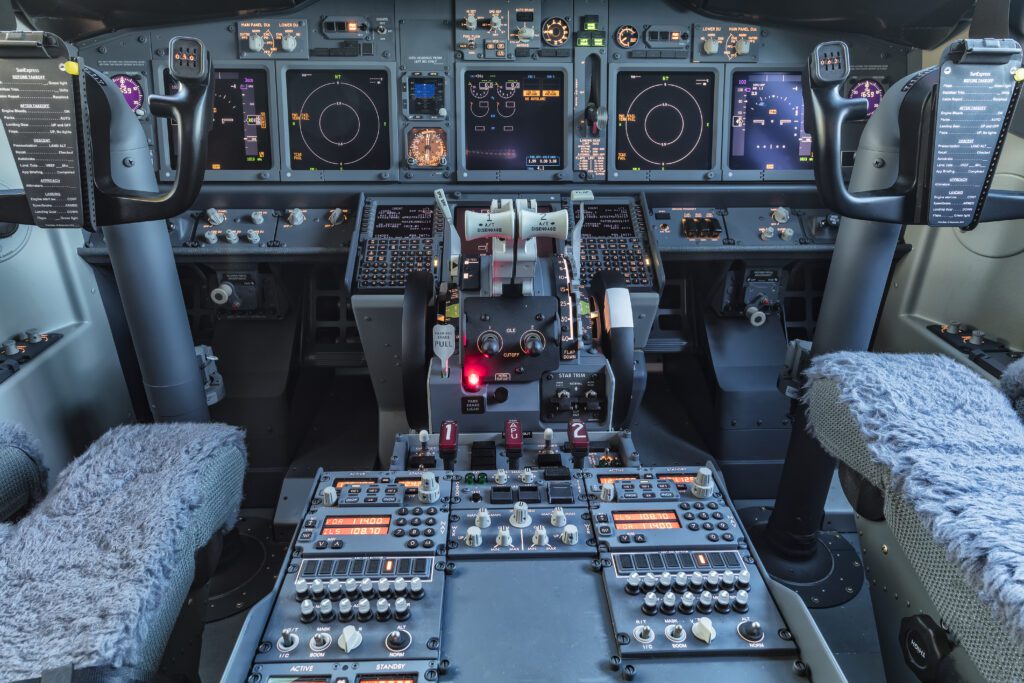
Despite the fact that smoke-filled cockpit incidents are occurring far more often than many believe, airlines are currently not required to provide realistic ‘smoke-in-cockpit’ simulator training.
Instead, airlines normally just discuss the challenges of operating in a smoke-filled cockpit, without immersive training that would properly prepare pilots for this kind of incident.
The decision by the NTSB to release a safety recommendation on pilot training was prompted by an investigation into an accident involving a Southwest Airlines flight on December 20, 2023, where smoke filled the cockpit so quickly that the pilots struggled to see the controls.
Southwest flight WN-554 had just taken off from New Orleans International Airport when a bird was sucked into the left-hand engine. The engine began to violently shake, which automatically activated an emergency safety system known as the ‘load reduction device.’
The LRD disconnected the fan blades from the turbomachinery to reduce the shaking, but in doing so, it dislodged the tubes that supply oil to the engine, causing oil to leak into the engine, which rapidly heated and vaporized into smoke.
This ‘acrid white smoke’ then started to enter the cockpit. The pilots quickly put on special airtight oxygen masks, but the Captain later told investigators that the smoke was so thick “his instrument panel was difficult to see and that he thought he might need to fly the airplane by solely using the heads-up guidance system.”
“The crew described the surprise, adrenaline, and restricted visibility as far more challenging than anything they had experienced in training,” the NTSB said on Wednesday.
“If such an event occurred at night or in instrument meteorological conditions, the consequences could be catastrophic,” the statement added.
“Investigators found that current recurrent pilot training may not adequately prepare crews for the workload, stress, limited visibility, and time-critical decision making associated with actual smoke emergencies in the cockpit.”
The NTSB wants airlines to add realistic smoke-in-cockpit training to annual recurrent pilot training, but the NTSB’s safety recommendation is only that… a recommendation.
It is up to the FAA to change recurrent training requirements, and there is no guarantee that this will happen.
For example, the NTSB has long urged the FAA to ban ‘lap infants’ over fears that a baby could be seriously injured or killed in the event of an aircraft crash or in severe turbulence. The FAA has declined to address this safety recommendation.
At the very least, however, the NTSB is calling on the airline industry to disseminate information about the Southwest incident to airlines across the United States, and is encouraging airlines to improve smoke-in-cockpit training even without a rulemaking.
Want to see more stories like this? Add PYOK as a preferred source on Google, and we'll show up more often in your searches and Google News.
Add PYOK as a Preferred Source