




The Federal Aviation Administration (FAA) is using $16.5 million in funding from the ‘One Big Beautiful Bill’ to install transponders on all airport airside vehicles that it owns and deploys at around 264 airports across the United States.
The FAA said that the initiative has been in the works for months, but the project was accelerated in the wake of the fatal Air Canada Express crash at LaGuardia International Airport late on March 22, 2026.
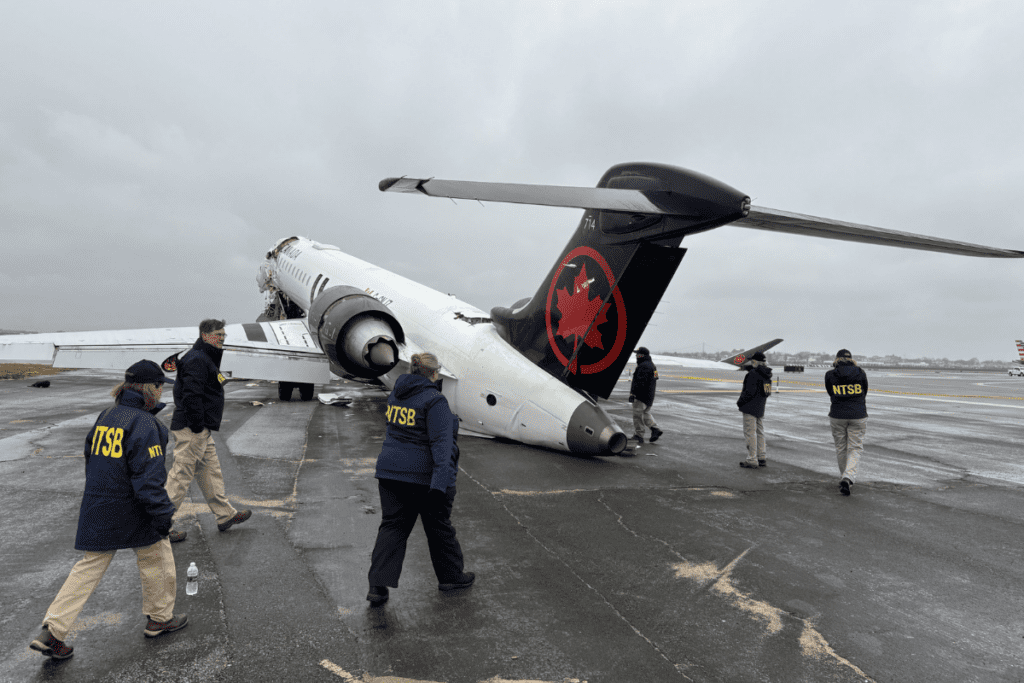
The accident claimed the lives of the two pilots of the Bombardier CRJ-900 regional jet, which was being operated by Jazz Aviation on behalf of Air Canada, when an airport fire truck crossed in front of the plane as it was landing at LaGuardia.
The impact obliterated the cockpit, tearing it from the rest of the fuselage. A flight attendant sat at the front of the plane miraculously survived the impact after she was thrown, still strapped into her jumpseat, onto the runway.
The National Transportation Safety Board (NTSB) is still investigating the circumstances of the crash, but preliminary information suggests that the fire truck was initially given permission to cross the runway that Air Canada Express flight AC-8646 had been assigned to land on.
When the air traffic controller in the LaGuardia tower realized what was about to happen, he desperately ordered the fire truck to stop, but his pleas were in vain, and the fire truck drove straight in front of the aircraft as it was speeding along the runway.
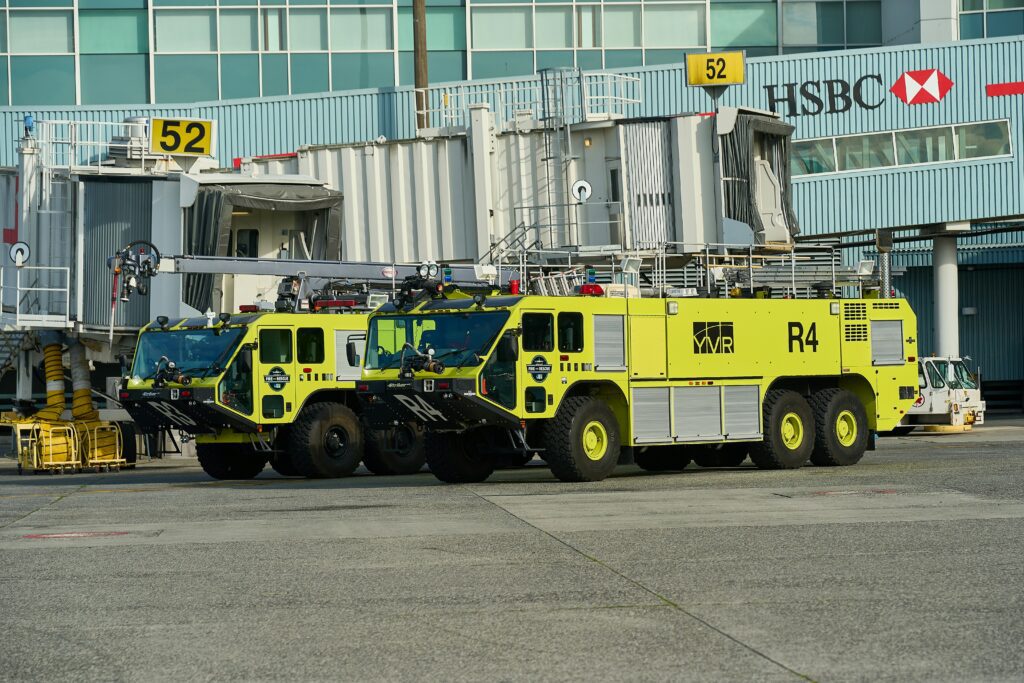
The fire truck, officially known as an Aircraft Rescue and Fire Fighting (ARFF) vehicle, was not equipped with a transponder, which would have given the controllers a pinpoint location of the vehicle on a live map of the airfield.
It remains to be seen whether a transponder could have helped prevent this accident, although the accident has raised awkward questions over why so many airport vehicles in the United States aren’t fitted with transponders, especially in comparison to many other countries.
The $16.5 million in funding announced by the FAA will only be used to equip the agency’s fully owned and operated airport vehicles. In total, the FAA operates around 1,900 vehicles, averaging seven vehicles per airport.
In other words, the vast majority of airside vehicles are not owned or operated by the FAA, and will be fitted with transponders as a result of this initiative.
The FAA is, however, urging airport operators to apply for federal grants to equip more vehicles with transponders, including ARFF vehicles, so-called ‘follow me’ vehicles, airport ops, and snow plows.
Not all airside vehicles necessarily need transponders. For example, fuel trucks and baggage tugs should only be using assigned roads or moving at very low speeds around the ramp area.
Instead, transponders are normally only fitted to vehicles that are permitted to use active taxiways used by aircraft and cross runways, such as airport ops vehicles and even airport police department vehicles.
In a statement, the FAA said it would fit the transponders on its fleet of vehicles “as soon as possible based on the availability of transponder units.”